
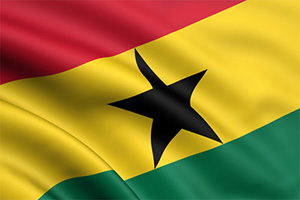
About Ghana
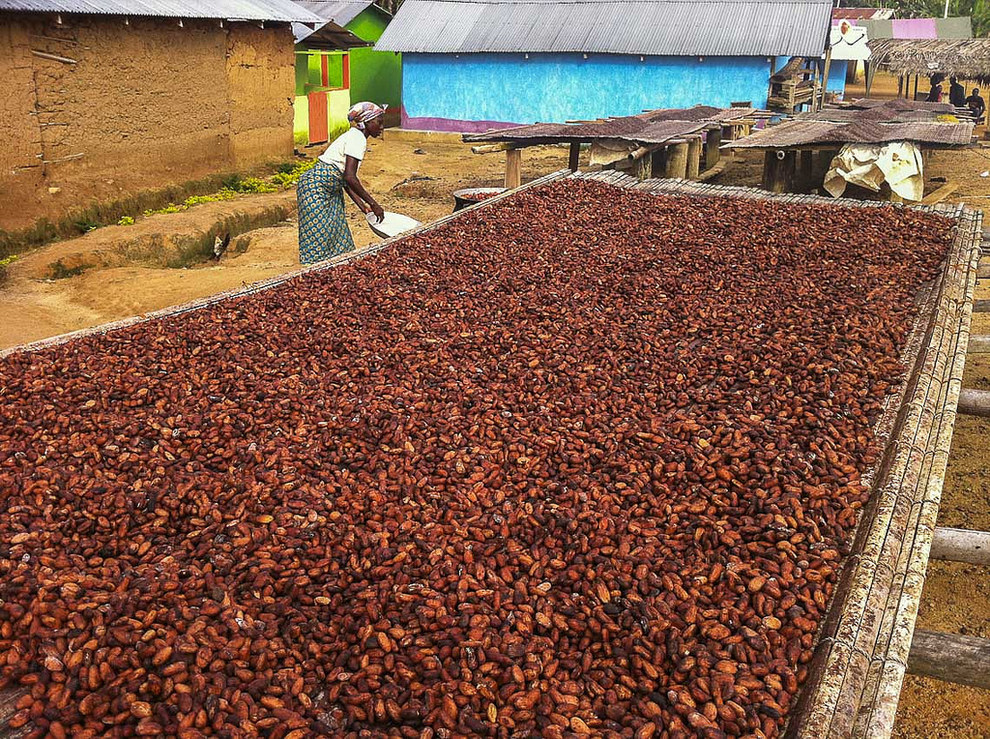
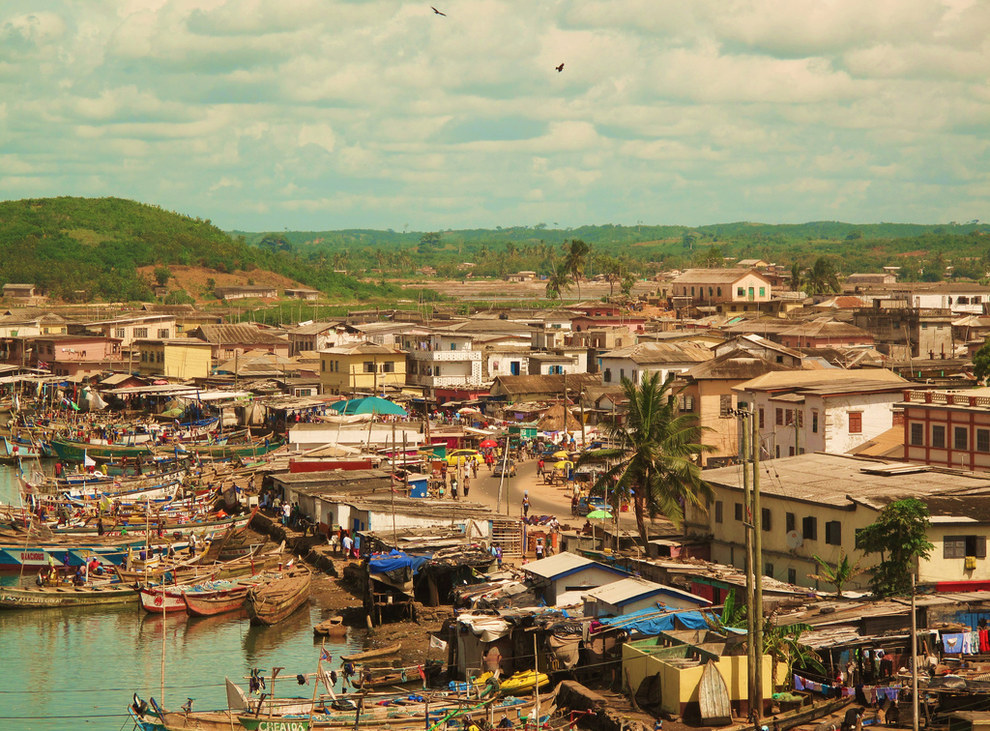
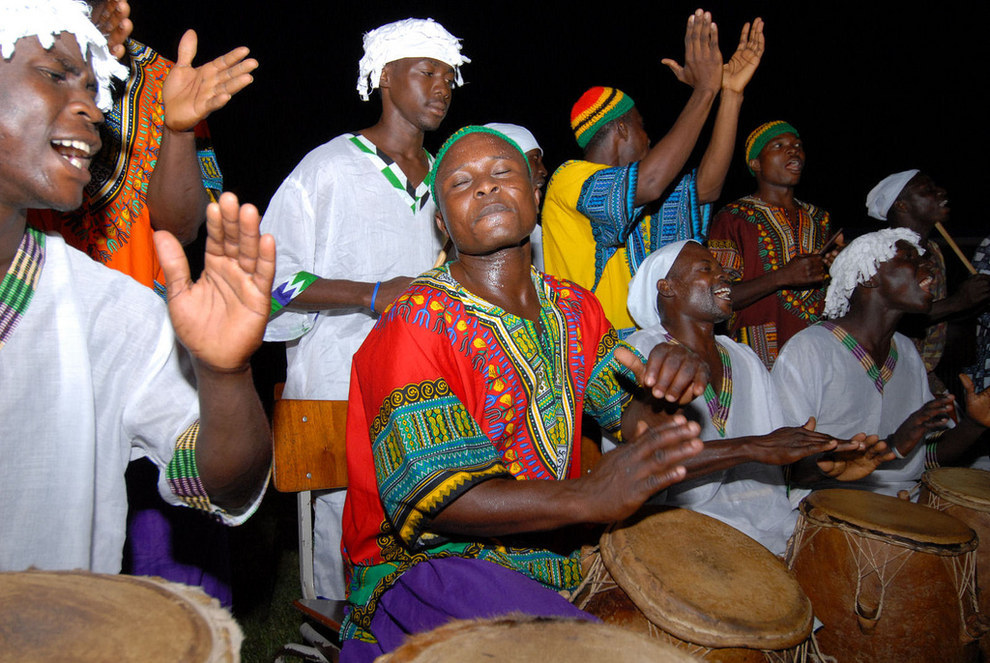
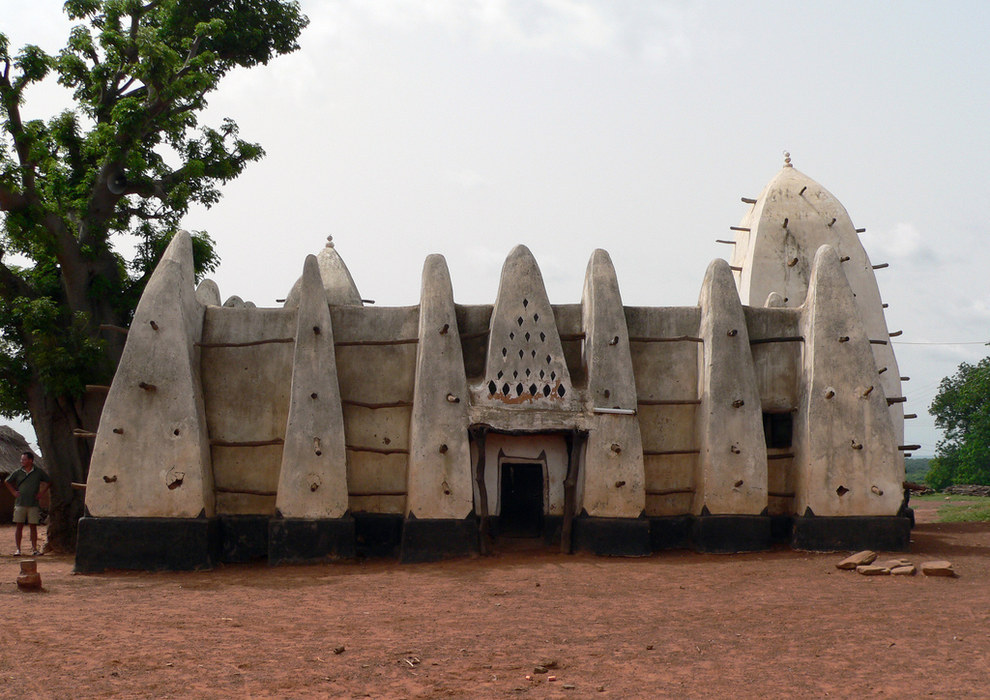
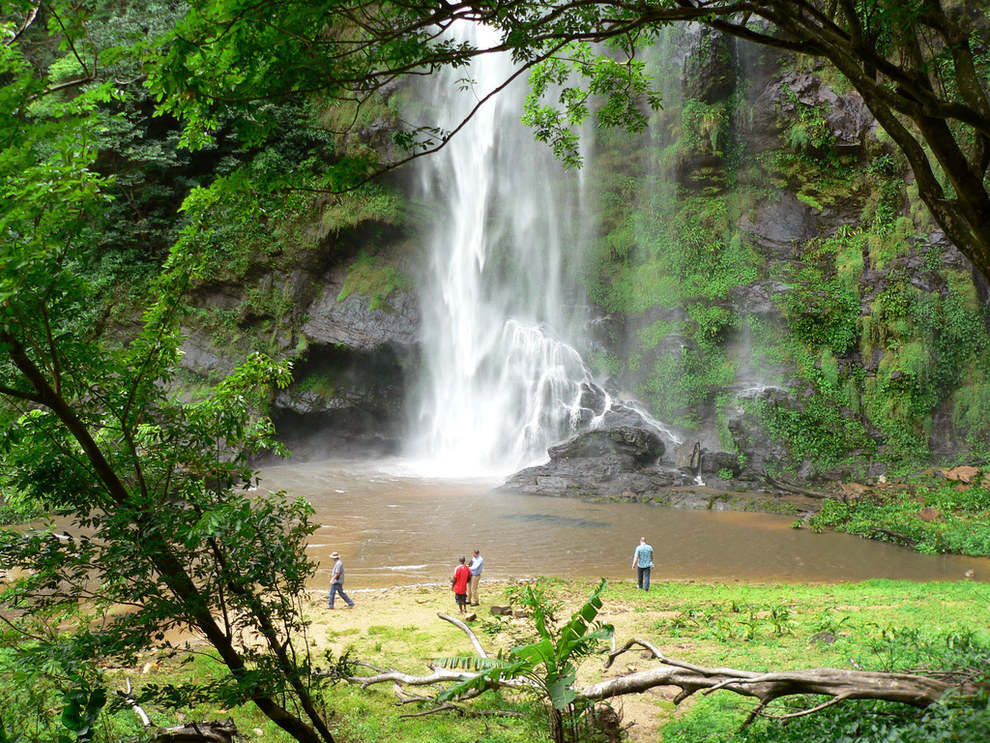
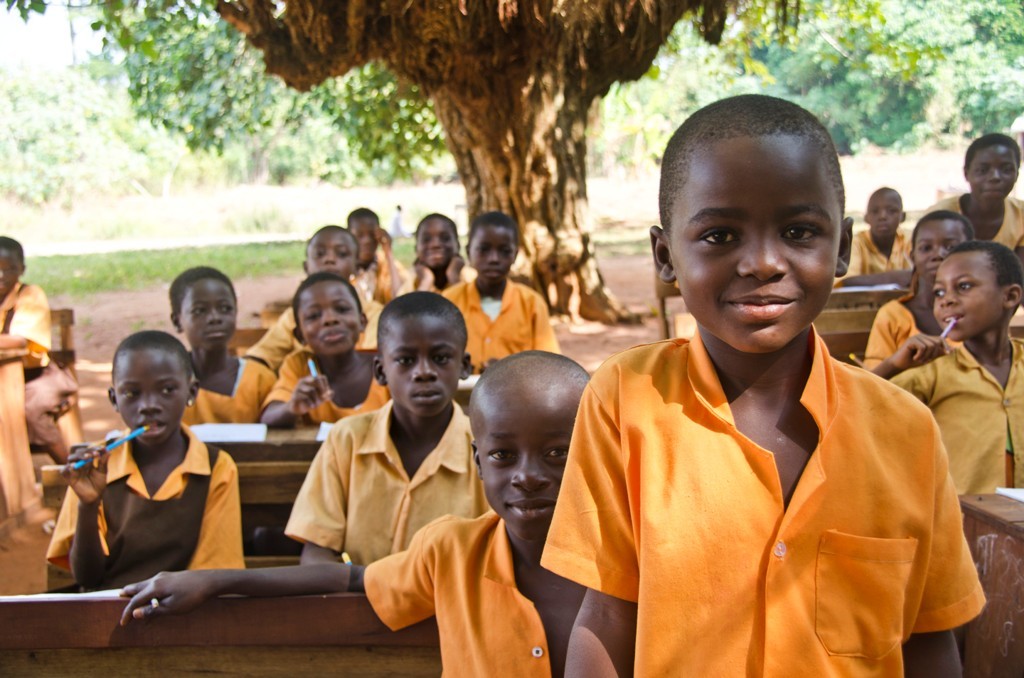
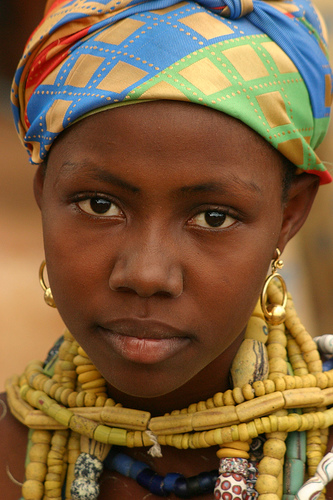
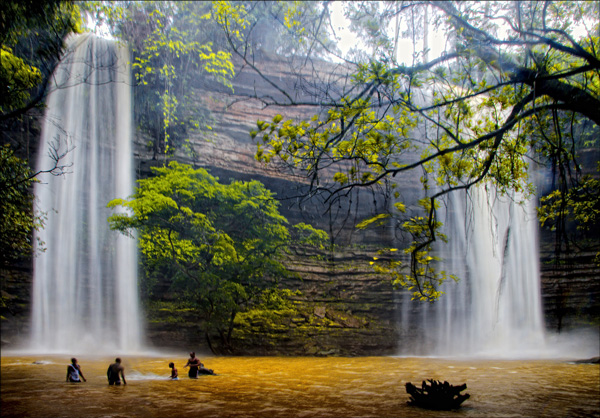
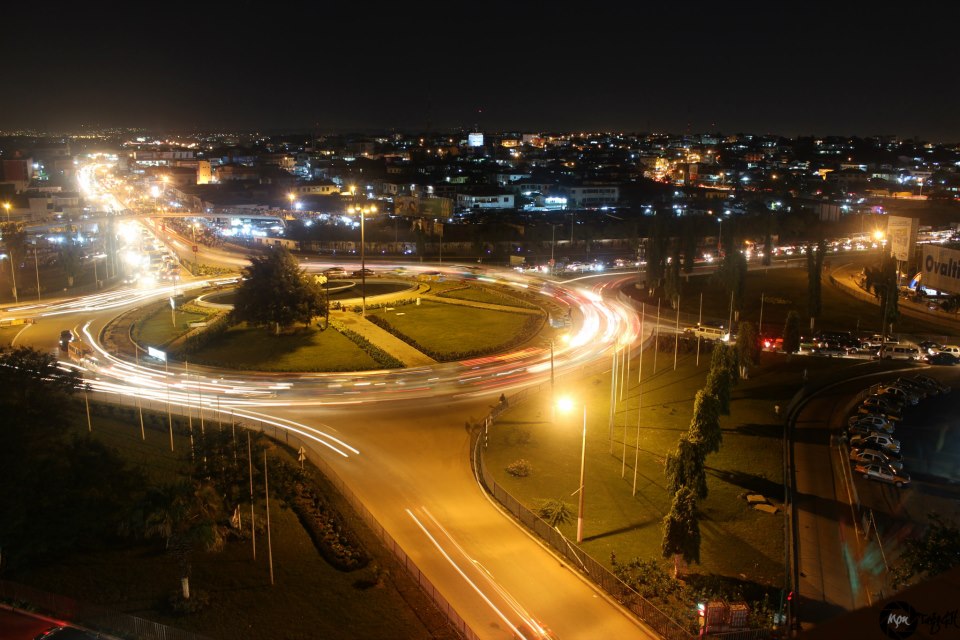
Hailed as West Africa’s golden child, Ghana deserves its place in the sun. One of Africa’s great success stories, the country is reaping the benefits of a stable democracy in the form of fast-paced development. And it shows: Ghana is suffused with the most incredible energy. With its welcoming beaches, gorgeous hinterland, rich culture, vibrant cities, diverse wildlife, easy transport and affable inhabitants, it’s no wonder Ghana is sometimes labelled ‘Africa for beginners’. Ghana is a very friendly country, ideal for first time travellers to Africa. The people are generally very helpful and welcoming.
Fast Facts About Ghana
Country
Capital City: Accra
Total surface area: 238,837 sq. km
Population: Almost 26 million inhabitants in 2013
Anthem: “God Bless Our Homeland Ghana”
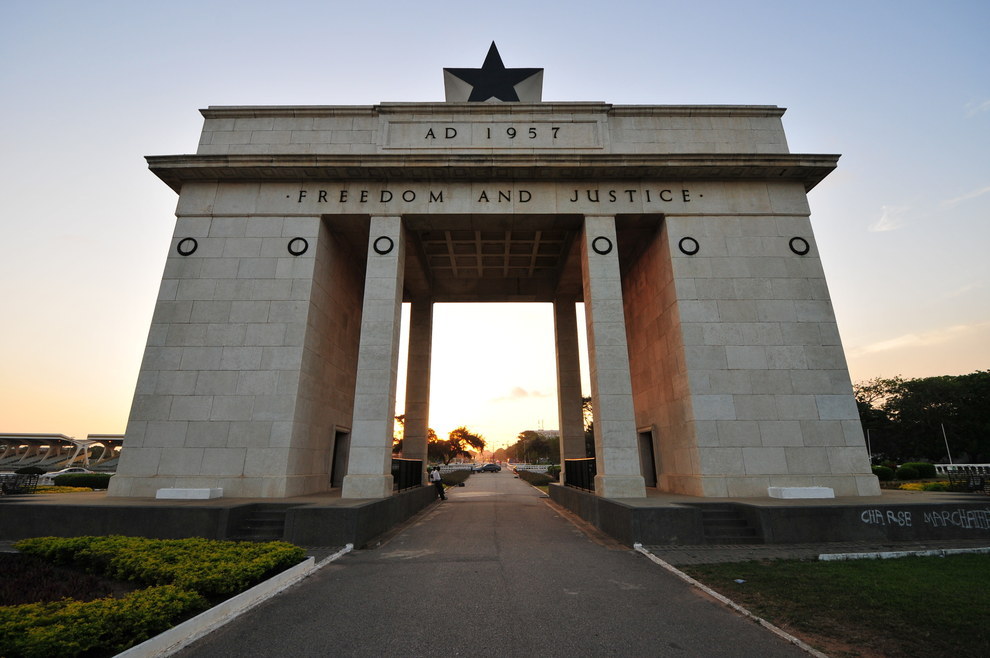
Motto: “Freedom and Justice”
Politics & Government
Government: Constitutional Democracy
Administrative Organisation: Ghana is divided into 10 administrative regions, sub-divided into 275 districts.
President: John Dramani Mahama
Vice President: Kwesi Amissah-Arthur
Cultural
Religion: Ghana is a largely Christian country (over 70%), although a sizable Muslim population exists. Traditional (indigenous) beliefs are also practiced.
Language: English is the official language in Ghana. There are also several ethnic languages, including Akan, Dagbani, Ewe, Hausa, and Nzema.
Climate
The climate of Ghana is tropical and there are two main seasons: the wet season and the dry season. Temperatures vary with season and elevation, but the average annual temperature is around 26°C (79°F).
Good to Know
Health Requirement: Proof of Yellow Fever vaccination is required of all visitors entering Ghana. Visitors should obtain a vaccination certification from their doctor before traveling to Ghana. We also recommend that you get some preventive care for malaria before arriving Ghana. Ask your health insurance provider whether your health insurance covers you when traveling in Ghana. If not, you should consider taking out a medical travel insurance to cover your medical care should you fall ill and need medical care.
Currency: Ghana’s currency is the cedi. Foreign currency can be exchanged in any Forex Bureau or commercial bank. Banks are generally opened to customers from 8:30 a.m. to 4 p.m. Major hotels, restaurants, banks, and businesses accept VISA and MasterCard credit cards. All banks and Forex Bureaus also accepted travelers cheques.
Time Zones: Greenwich Mean Time (GMT) or (UTC+0)
Electricity: Ghana is electrified at 220 volts. Electric outlets are either two or three-pronged and accept British or continental Europe plugs and converters.
For more information visit www.touringghana.com